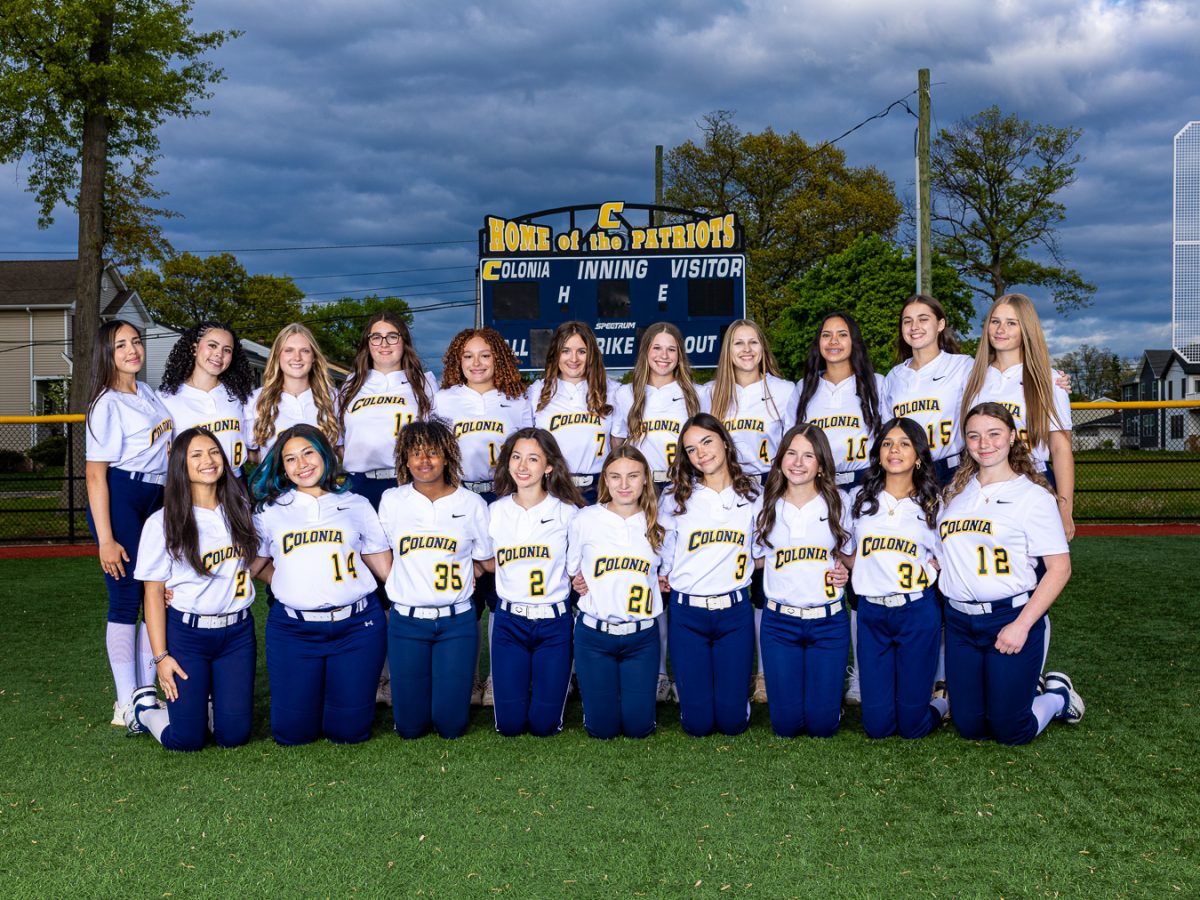
A new era of popularity, competition, and national attention has arrived for college softball. The game, formerly thought of as a specialized spring sport, now fills stadiums, comes alive on clips, and produces celebrities who draw millions of viewers. The momentum in sports doesn’t seem to be slowing down, from the intense atmosphere of the Women’s College World Series to the crowded conference matches.
levels and difficulty
A major driver of the surge is the level of talent across Division I programs. Power pitchers are throwing harder than ever, while hitters are combining strength with disciplined plate approaches. The modern college game is faster, more strategic, and more explosive offensively than it was even a decade ago. coaches emphasize versatility , players are expected to hit, field and run at an elite level.
growth in the sport
The growth can also be attributed to increased media exposure. National broadcasts and streaming platforms have made it easier for fans to follow teams throughout the season. ot just during postseason play. as a result, fan bases have expanded beyond campus communities, and young athletes now grow up watching college softball the way previous generations followed only professional sports.
college
Besides that, the recruiting landscape has changed. Influential high school athletes arrive on campus best equipped to handle the rigors of the collegiate game and commit earlier. The baseline skill levels are up worldwide thanks to strength training, big data, and year-round travel competitions. While traditional powerhouses continue to dominate, more mid-major programs are pulling off upsets and achieving national rankings, and parity is also getting better.
Team culture continues to be a defining feature of successful programs. The best college softball team often point to chemistry, leadership, and resilience as key ingredients. Long seasons filled with doubleheaders and travel demand mental toughness just as much physical ability.
Looking ahead, the sports trajectory appears strong . Attendance continues to climb, television audience are growing, and young athletes increasingly view college softball as a major stage rather than a stepping stone. if current trends hold, the next decade could bring even greater investment, larger venues, and broader national recognition.
college softball is no longer quietly building, its firmly in the spotlight, and the game has never been more exciting to watch.
college softball history
A number of unofficial “fun moments” and regional competitions gave rise to college softball in the 1930s. the Midwest trying to act as a crucial early center for the sport’s growth. Before the NCAA officially recognized women’s softball in 1982, the sport decided to move from these regional origins to a regulated national scene overseen by the Association for Intercollegiate Athletics for Women after Title IX in 1972. The modern Women’s College World Series was born during this time, and in 1990 it relocated to Devon Park in Oklahoma City, sparking a boom in attendance and top-notch facilities.